
Pretty Persistent
A journalist's years of stubborn determination paid off in D.C's ephemeral cherry blossoms

( It should take about three minutes to read this 638-word essay. There are links at the end to sources consulted. Thanks for your time.)
Eliza Scidmore (1856-1928) wanted Washington, D.C., to enjoy a bit of the splendor she’d seen the people of Japan enjoy at their flower festivals.
“They infuse into these festivals a sentiment and feeling, a spirit and gayety, inherited from generations of flower-loving ancestors, who made their æsthetic pilgrimages year after year to see the acres of wonderful flowers in the different suburbs of each city,” Scidmore wrote in her book, Jinrikisha Days in Japan, first published in 1891. (By the way, her name is pronounced with a silent "c" as "sid-more")
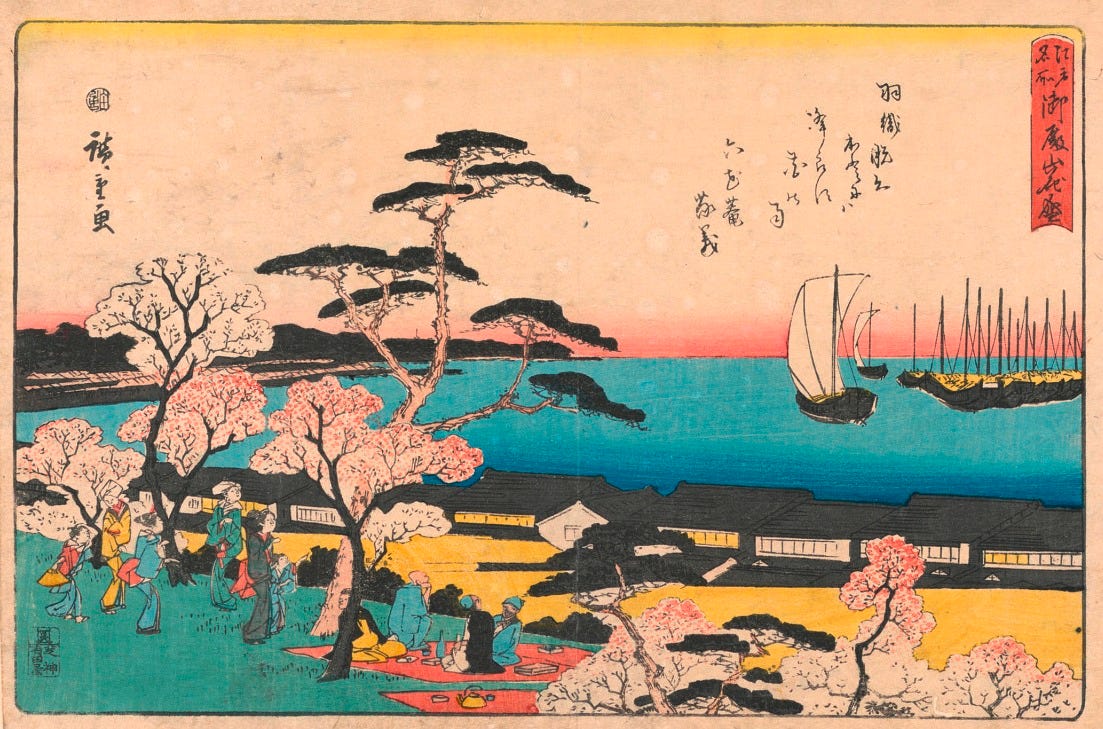
Scidmore described “the poetic charm of the Japanese spring-time…”
“..the setting of the buds, their swelling, and the gradual unfolding of sakura, the cherry blossoms, are matters of great public concern,” with newspapers daily printing advance dispatches about the trees, Scidmore wrote.
This kind of coverage sounds familiar to us today. There’s a lot of news each year about the blooming of the cherry trees at the Tidal Basin.
But many Washingtonians don’t know that we owe Scidmore thanks for our cherry trees. I learned about this only a couple of days ago.
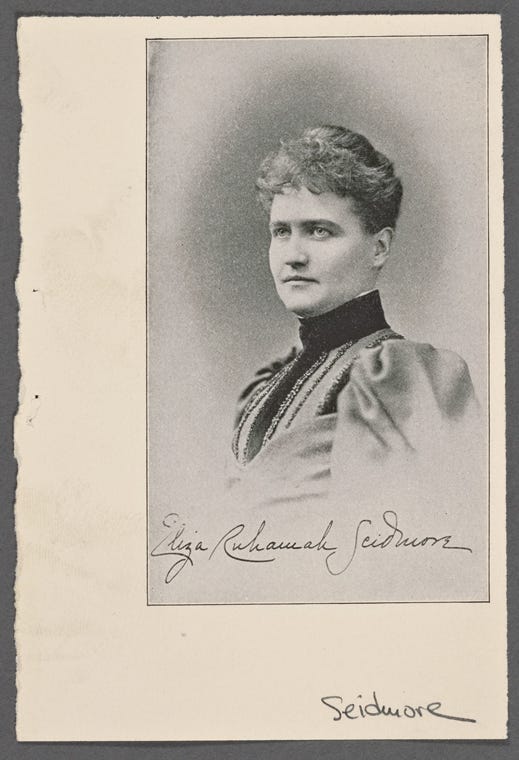
Scidmore spent her young years in Madison, Wisconsin, and attended Ohio’s Oberlin College. Her family moved to Washington, D.C., where she first established herself as a journalist in the 1870s.
In 1885, Scidmore and her mother went to Japan to visit her brother George, who worked for the U.S. Consular Office. The Japanese tradition of hanami, or gathering to enjoy and appreciate the transient beauty of flowers, impressed Scidmore.
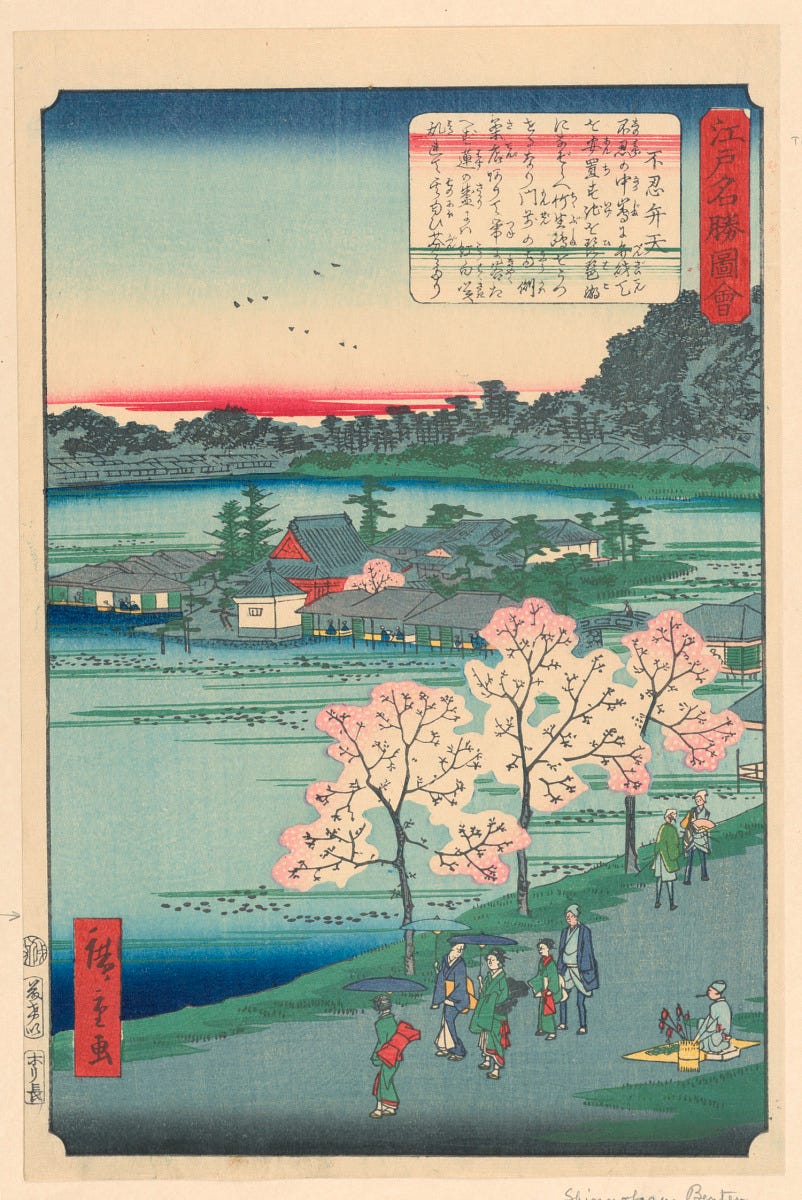
When Scidmore returned to D.C., the Army Corps of Engineers was in the process of transforming mudflats of the Potomac River into parks. Scidmore began arguing for the addition of cherry trees to the new parklands. She traveled often but when back in D.C., she kept pressing to bring cherry trees to D.C.
Scidmore found an ally after William Howard Taft became president. His wife, Helen Herron Taft, had spent time in Asia, including visiting Japan. She took up Scidmore’s cause.
The interest of the First Lady turned Scidmore’s dream into reality. The city of Tokyo sent a first shipment of about 2,000 trees, which the Department of Agriculture said were infested with insects and nematodes, and had to be destroyed.
“The Secretary of State sent letters to the Japanese Ambassador expressing the deep regret of all concerned. All parties involved from Japan met the distressing news with determination and good will,” says a National Park Service history of the D.C. cherry trees.
Tokyo sent a second shipment, this time of about 3,020, which arrived in 1912. This proved a success.
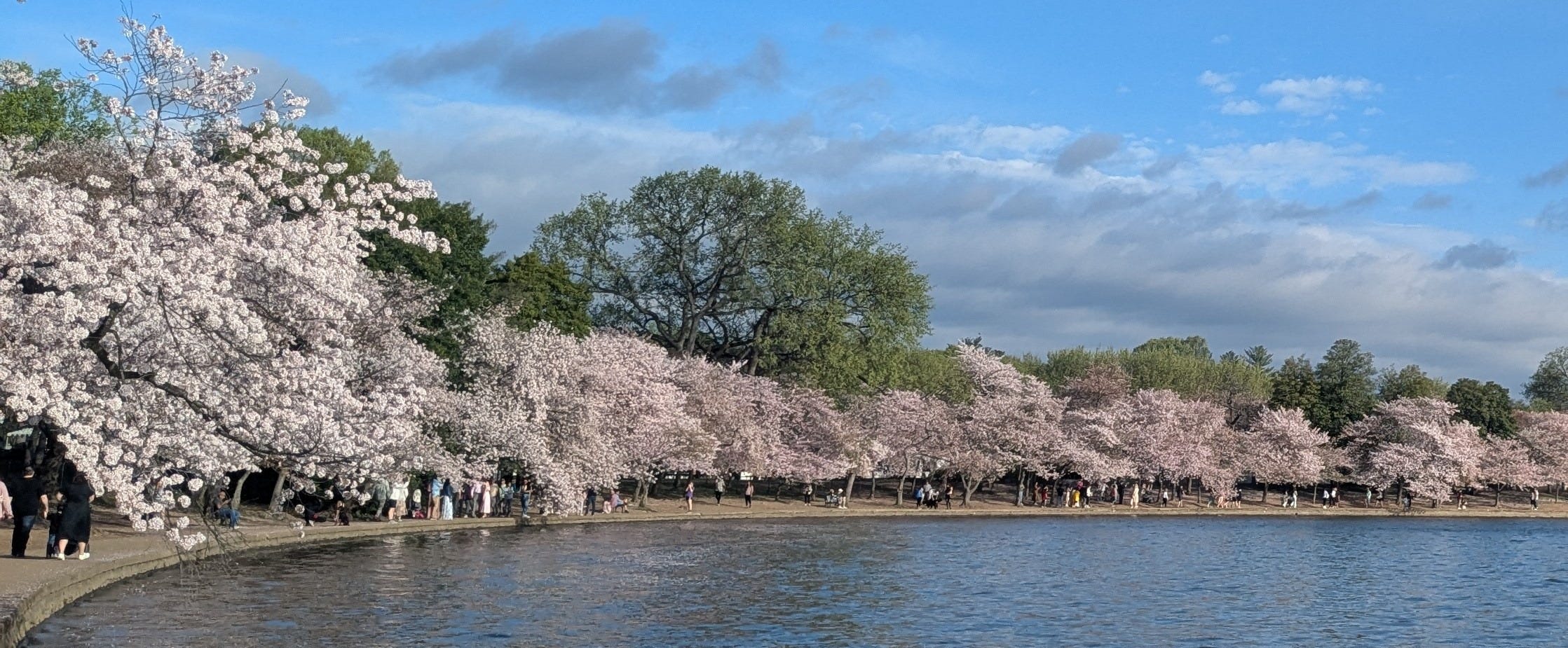
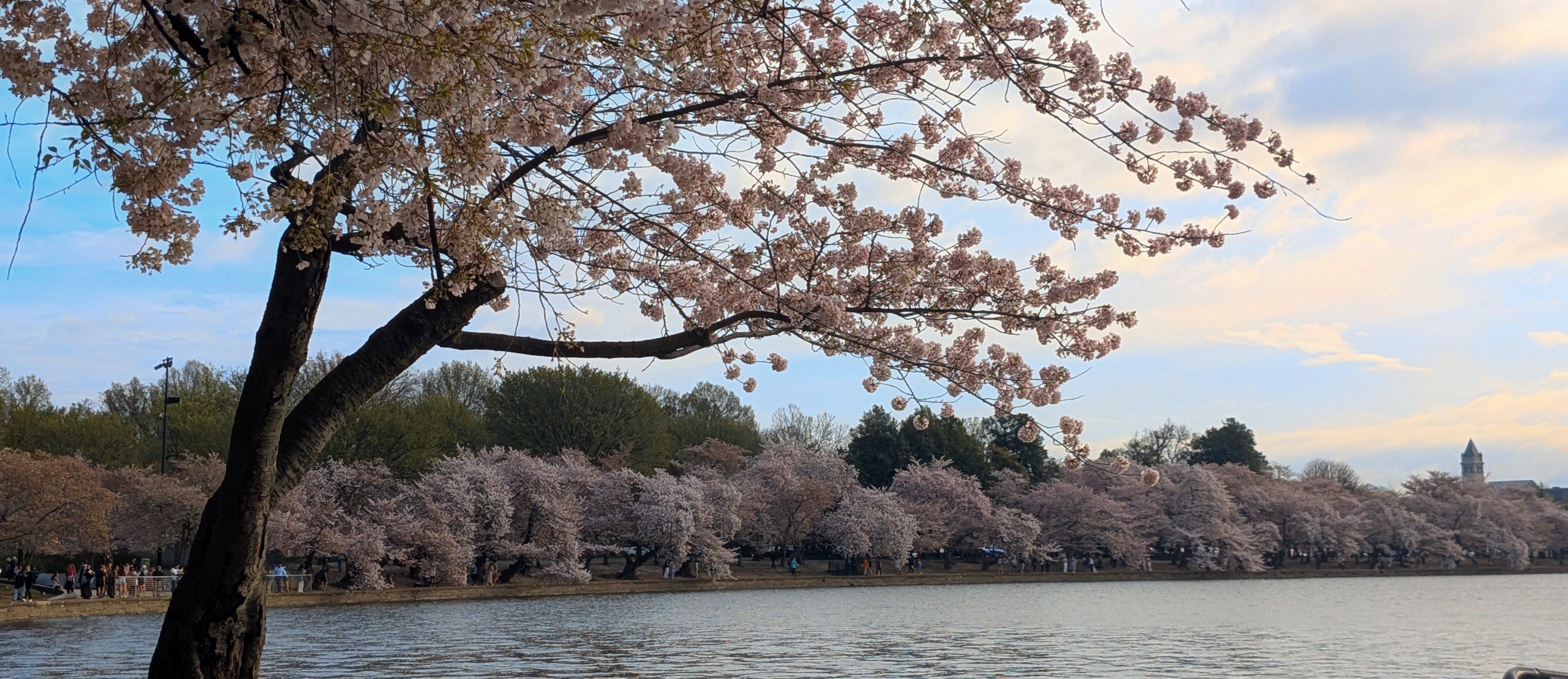
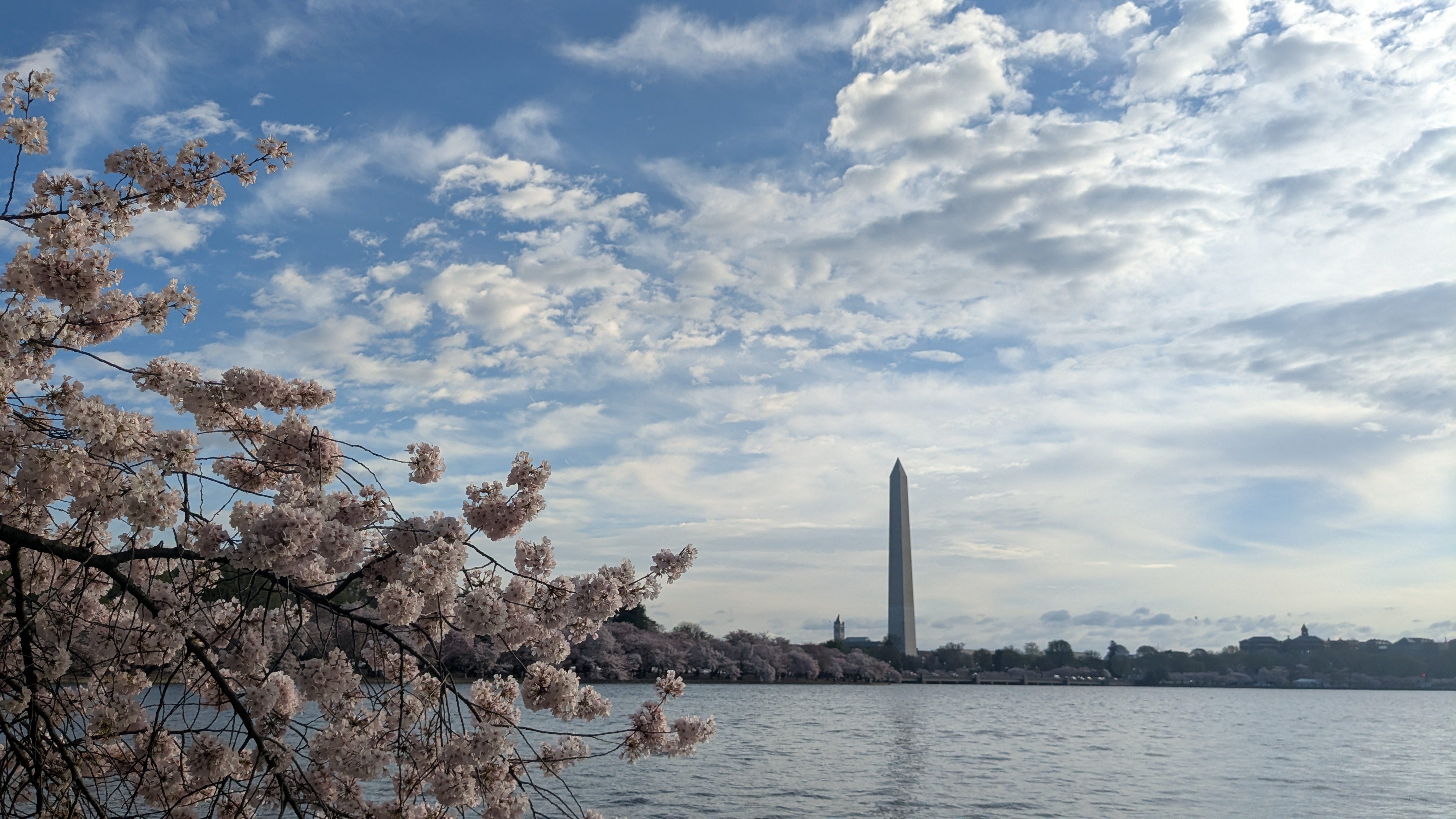
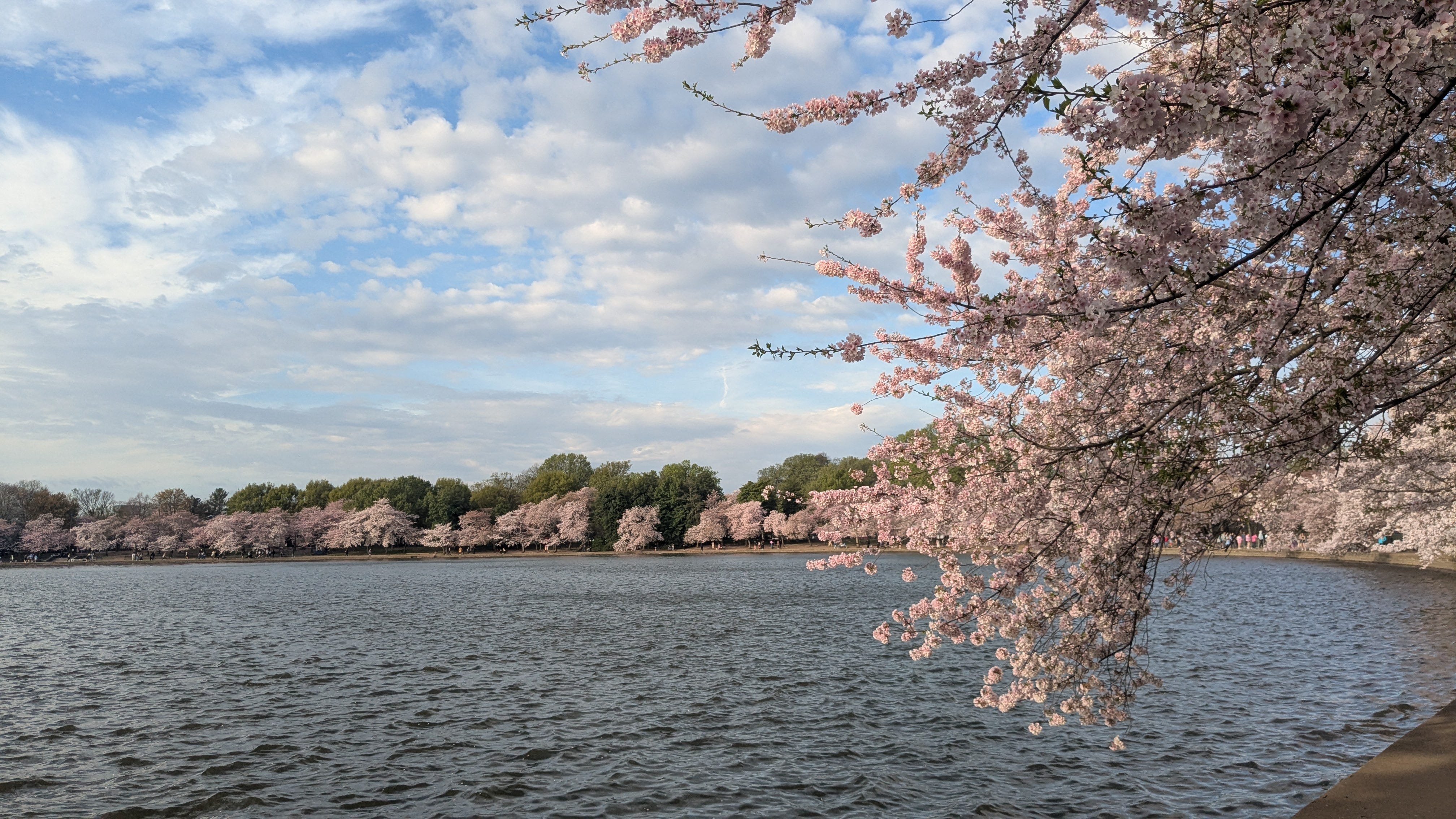
We owe gratitude today to the determination of not only Scidmore, but all involved in bringing the cherry trees to the parkland along the Potomac River. Below are a few of the photos I took of this year’s blossoms.
Sources: Diana Parsell’s book “Eliza Scidmore: The Trailblazing Journalist Behind Washington's Cherry Trees.”
Scidmore’s Jinrikisha days in Japan | Cherry blossoms’ champion, Eliza Scidmore, led a life of adventure, Michael Ruane, Washington Post, March 13, 2012 | The Women Who Planted the Cherry Trees on the National Mall, Trust for the National Mall | History of the Cherry Trees, National Park Service
(I’ve updated the word count since the newsletter went out.)